New Adventures in Teaching and Understanding Real Environment
About the project
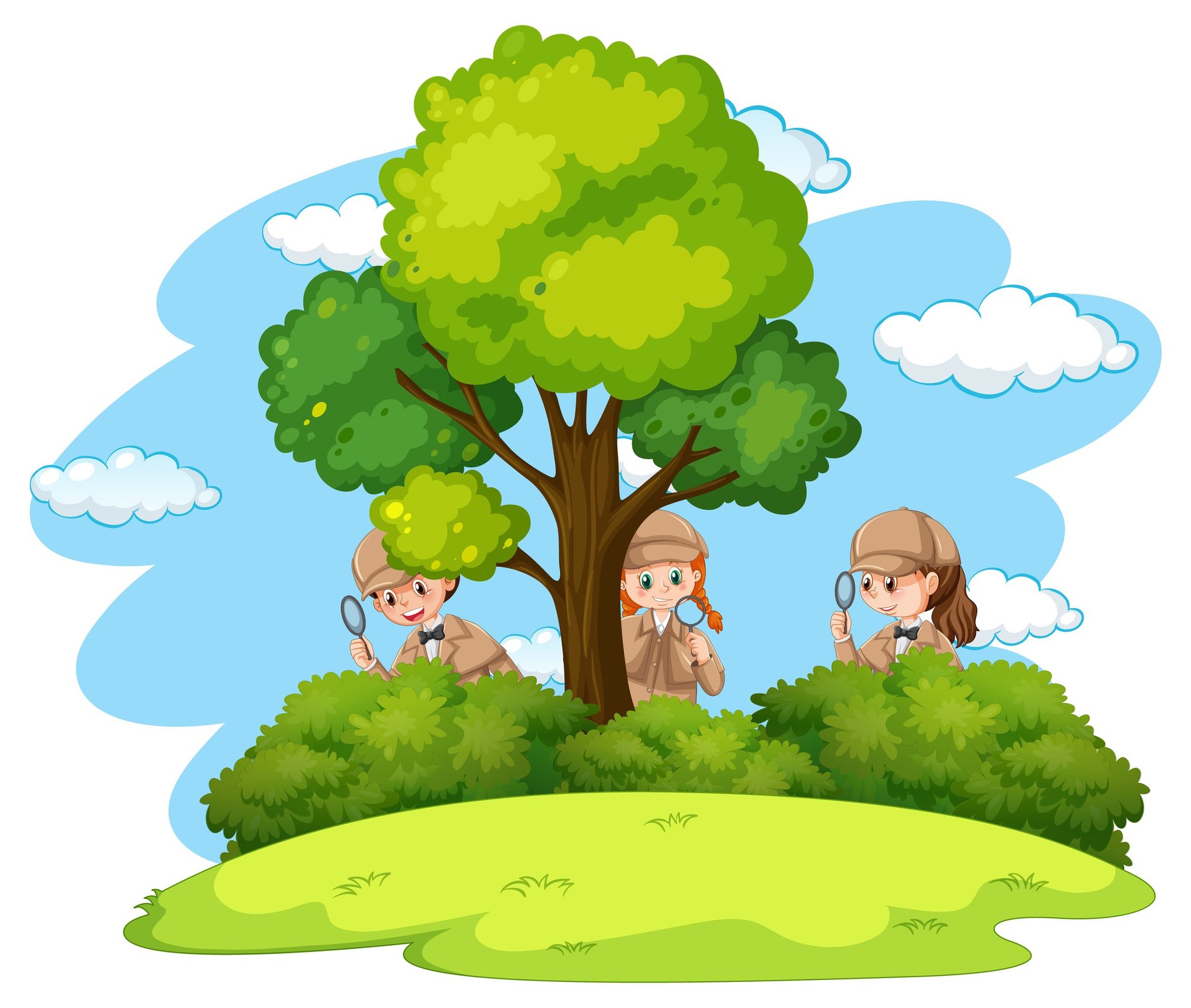
NATURE (New Adventures in Teaching and Understanding the Real Environment) is an Erasmus+ project that aims to enrich preschool education by using outdoor spaces as natural learning environments. It helps children balance technology with physical activity, discover nature through sensory play, and develop healthy, sustainable habits from an early age.
What we create
Together with partners from Spain, Türkiye, and Italy, the project develops practical tools for teachers and families, including an Outdoor Education Handbook, Teacher Training Toolkit, and Outdoor Learning Space Design Poster. These outputs share best practices, inclusive activities, and creative ideas that support nature-based learning in preschools.
Our Impact
NATURE promotes inclusion, sustainability, and community involvement. All children—including those with fewer opportunities—take part in accessible outdoor activities, while families engage in green initiatives through the Sustainability Pledge. The project strengthens environmental awareness, supports teacher development, and builds a shared culture of caring for nature.
Green Tips for Families
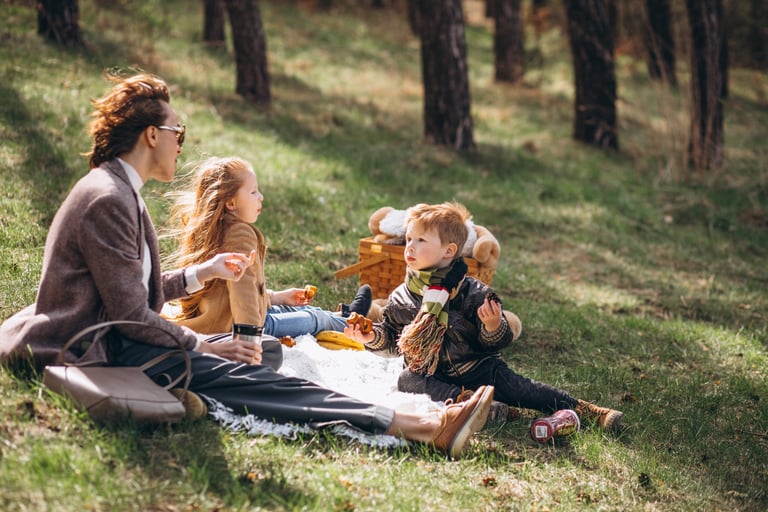
Spend Time Outdoors Together: Take short walks, visit local parks, or explore your garden. Just 10–15 minutes outdoors helps children observe nature, relax, and develop curiosity.
Reduce Screen Time at Home: Create small “tech-free moments” during the day—during meals, before bedtime, or while playing outside. Encourage real-world exploration instead of digital entertainment.
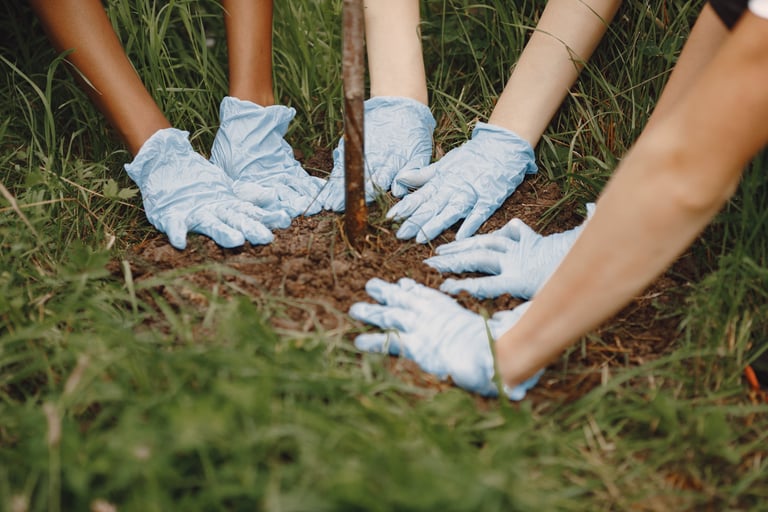
Plant Something as a Family: Grow herbs, flowers, or vegetables in small pots or garden beds. Children learn responsibility and experience joy by caring for plants they grow themselves.
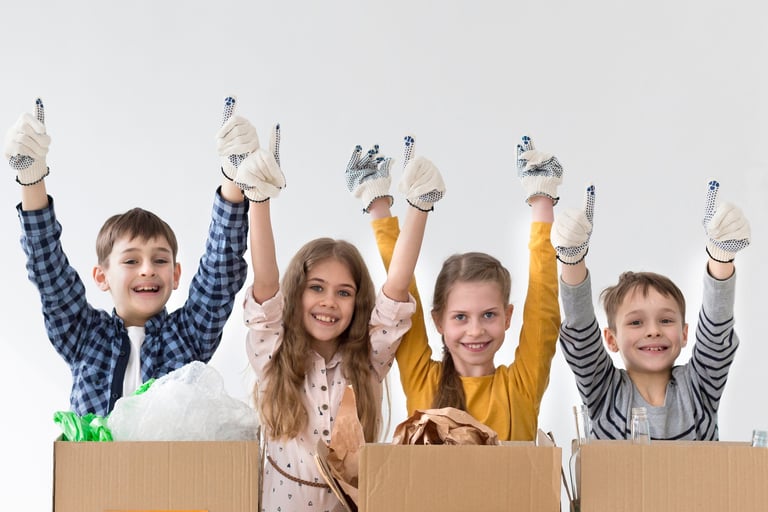
Recycle Together: Teach children to separate plastic, paper, glass, and batteries. Make recycling fun by decorating boxes or rewarding consistent habits.
Save Water and Energy: Turn off the tap while brushing teeth, shorten showers, and switch off unused lights. These small acts help children understand conservation from an early age.
Choose Reusable Items: Use reusable bags, water bottles, and lunch containers. Explain to children why avoiding single-use plastics protects animals and nature.
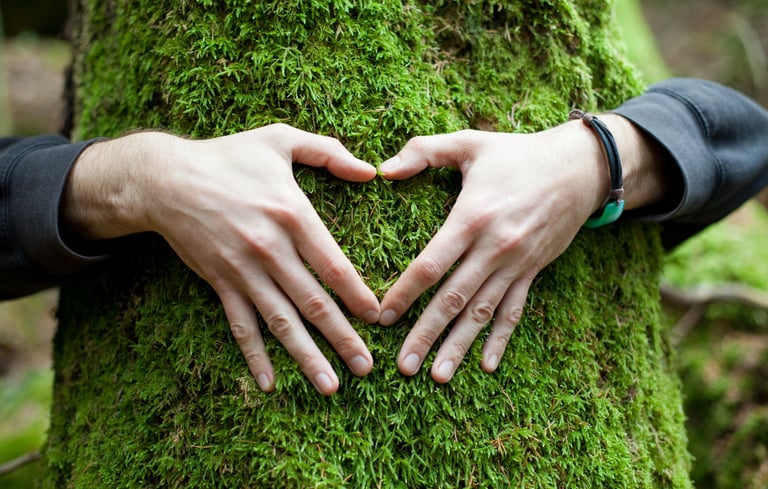
Explore Nature with All Senses: Smell flowers, touch tree bark, observe insects, listen to birds, or feel the wind. Sensory exploration builds strong emotional connections with the environment.
Create Nature Crafts: Use leaves, stones, pinecones, and sticks to create simple crafts. This encourages creativity and teaches children to value natural materials.
Eat Seasonal and Local Foods: Choose fruits and vegetables that grow naturally in your region and season. Explain how local food reduces pollution from transportation.
Be a Positive Role Model: Children copy what they see. Show your sustainable habits—carrying a reusable bag, recycling, planting, or unplugging unused devices. Your behaviour becomes their learning.